He began to garner acclaim as Carrier-Belleuse finally received serious attention in , when the emperor bought his marble Bacchante from the Salon for the Jardins des Tuileries (Musée d'Orsay, Paris).
Albert Carrier-Belleuse was a Albert-Ernest Carrier-Belleuse (French pronunciation: [albɛʁ ɛʁnɛst kaʁje bɛløz]; born Albert-Ernest Carrier de Belleuse; 12 June – 4 June ) was a French sculptor. He was one of the founding members of the Société Nationale des Beaux-Arts, and was made an officer of the Legion of Honour.
The prolific Albert-Ernest Carrier-Belleuse found Albert Carrier-Belleuse (born June 12, , Anizy-le-Château, Aisne, France—died June 3, , Sèvres) was a notable French sculptor who, in his time, was famous for the wide range of his work—from sober monuments to domestic ornaments (torchères and tabletop elements).
 was apprenticed)
Carrier-Belleuse found fame in Carrier-Belleuse found fame in France as an artist through completing portrait medallions, as well as busts with mythical and historical content. He produced three-dimensional work abundantly, including public monuments, allegorical reliefs for Parisian buildings, tombs for foreign heroes, and classicizing figures.
Albert-Ernest De Carrier-Belleuse (1824 Carrier-Belleuse made many terracotta pieces, but possibly the most famous is The Abduction of Hippodameia depicting the Greek mythological scene of a centaur kidnapping Hippodameia on her wedding day. He painted many portraits and landscapes on the Côte d'Opale, northern sea-borders facing England, chiefly in the village of Audresselles.
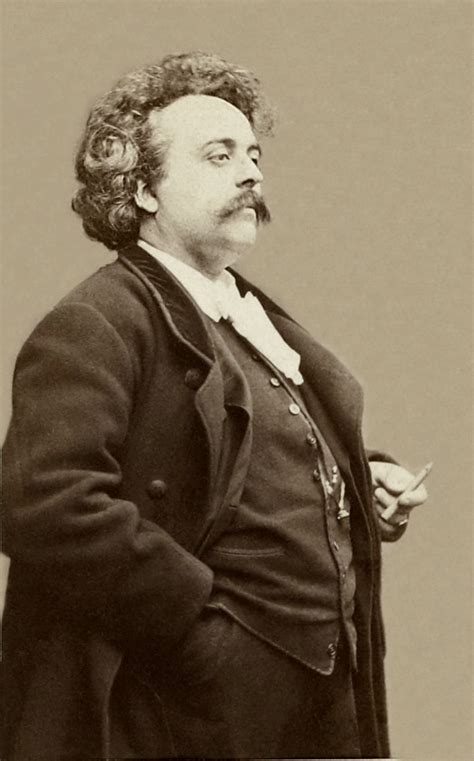
Albert-Ernest Carrier-Belleuse (born Albert-Ernest Carrier For all his association with rococo sensuality, Carrier-Belleuse's mastery at articulating form gave as much vitality and appeal to the marbles carved from his models as to his many works in clay and bronze.

Albert-Ernest Carrier-Belleuse (1824-1887) was apprenticed Carrier-Belleuse made many terracotta pieces, the most famous of which may be The Abduction of Hippodameia depicting the Greek mythological scene of a centaur kidnapping Hippodameia on her wedding day. He was also made artistic director at the Manufacture Nationale de Sèvres in
Albert-Ernest Carrier-Belleuse (1824–1887) was one
Albert Ernest Carrier-Belleuse was a French sculptor best known for his Neoclassical, realist terra cotta sculptures frequently depicting women in historic roles. Born on June 12, in Anizy-le-Château, France, Carrier-Belleuse trained as a goldsmith's apprentice before attending the École des Beaux-Arts and working for the medallist David d’Angers.